Personal hygiene is the foundation of good health, confidence, and well-being. It involves simple daily practices like handwashing, bathing, oral care, and grooming that protect you and those around you from illness while helping you feel fresh and presentable.
Why Personal Hygiene Matters: The Proven Benefits
Good hygiene habits deliver both immediate and long-term advantages:
- Disease Prevention: Regular handwashing alone can significantly reduce the spread of respiratory and diarrheal infections.
- Improved Self-Esteem: Feeling clean boosts confidence and reduces issues like body odor or skin problems that affect mental health.
- Better Overall Health: Proper dental hygiene lowers risks of gum disease, cavities, and even links to cardiovascular issues.
- Social and Professional Advantages: Clean appearance fosters positive interactions in personal and work settings.
Neglecting hygiene can lead to minor issues like greasy skin or odor, and more serious ones such as infections, athlete’s foot, or increased allergy symptoms.
Building Your Personal Hygiene Routine: Practical Tips
A sustainable routine doesn’t need to be overwhelming. Start with these core areas and tailor them to your lifestyle, culture, and health needs.
1. Handwashing Hygiene
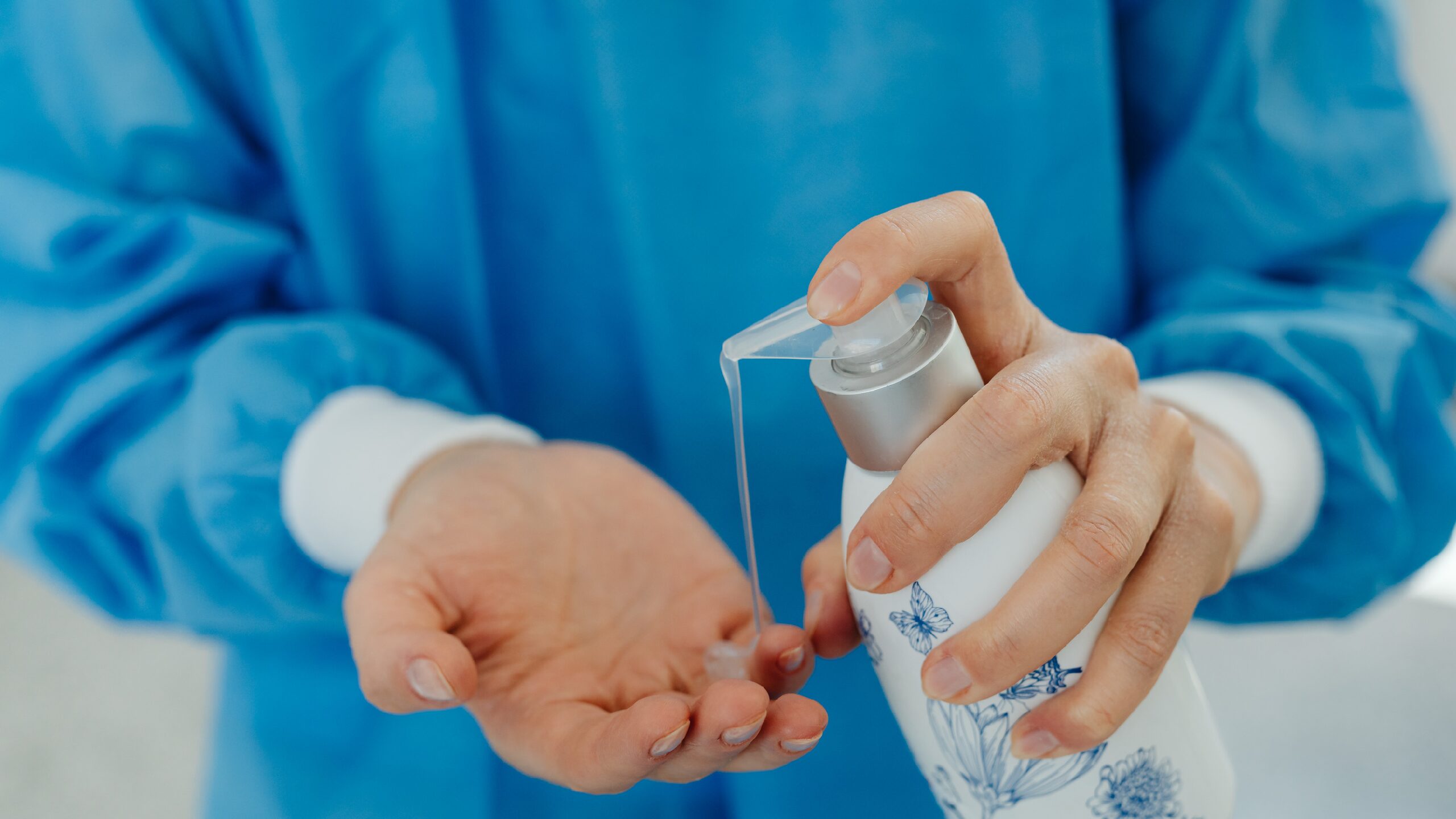
This is the single most effective practice for preventing illness.
- Scrub with soap for 20–30 seconds, covering all surfaces including between fingers, backs of hands, and under nails.
- Use warm water and a clean towel to dry.
- Alcohol-based sanitizer (at least 60% alcohol) is a good backup when soap isn’t available.
- Key times: After using the toilet, before/after preparing or eating food, after coughing/sneezing, after touching animals or garbage, and upon returning home.
2. Shower and Skin Care
Most people benefit from showering every other day or daily in warmer climates. Use mild soap to remove bacteria, oils, and dead skin.
- Wash your face daily or twice daily, especially if wearing makeup.
- Shampoo hair regularly (not necessarily daily) to prevent buildup.
- Moisturize after bathing and follow Mayo Clinic tips: limit bath time, use warm (not hot) water, and gentle cleansers.
3. Oral Hygiene
Brush twice daily for two minutes and floss once a day.
- Brush after waking and before bed; rinse after meals if brushing isn’t possible.
- Regular flossing supports not just dental health but may also benefit heart health.
4. Nail and Foot Care
Keep nails trimmed and clean. Brush under them during showers. Avoid nail-biting to prevent germ transfer.
5. Additional Practices
- Change clothes and underwear daily.
- Practice menstrual hygiene: change products regularly, wash the external genital area with water (avoid douching).
- When sick: Cover coughs/sneezes with your elbow, disinfect surfaces, and avoid sharing personal items.
Creating a Routine That Sticks
- Start Small: Focus on one new habit per week (e.g., consistent handwashing) until it becomes automatic.
- Use Reminders: Phone alarms, bathroom signs, or checklists work well.
- Make It Enjoyable: Play a 2-minute song while brushing teeth or choose pleasant-smelling products.
- Adapt for Life Stages: Customize for kids, busy professionals, or those with health conditions.
For Parents: Teach children early. Start toothbrushing when the first tooth appears, encourage independent bathing around age 5, and make handwashing fun with songs. Supervise until they can do it properly.
Common Challenges and Solutions
- Busy Schedule: Keep travel-sized sanitizer and wipes handy.
- Mental Health Barriers: Hygiene difficulties can stem from conditions like depression—be kind to yourself and seek support if needed.
- Access Issues: Use affordable alternatives and focus on high-impact practices like handwashing.
The Bottom Line
A consistent personal hygiene routine is one of the simplest, most powerful investments in your health. It reduces illness risk, boosts confidence, and improves quality of life for you and your community.
Consult Professionals: Talk to your doctor or dentist for personalized advice, especially if you have skin conditions, immune concerns, or difficulty maintaining routines.
This article is for informational purposes only and is not a substitute for professional medical advice.
Sources and Further Reading:
- Healthline: Personal Hygiene Overview
- CDC: Handwashing and Hygiene Basics
- Mayo Clinic: Skin Care Tips
By grounding practices in established guidelines from trusted health authorities, this routine empowers you to take control of your daily wellness. Start today—one small change can make a big difference!